







Power Your Home with Premium Residential Energy Storage Solutions
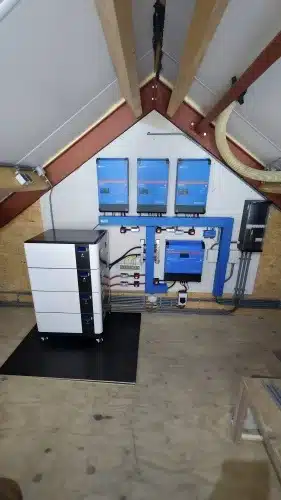
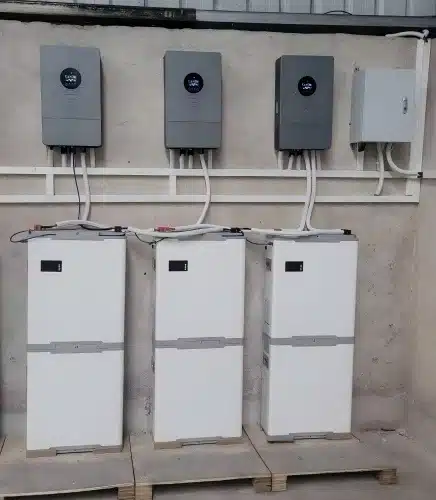
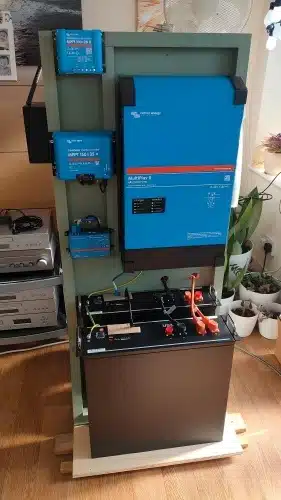
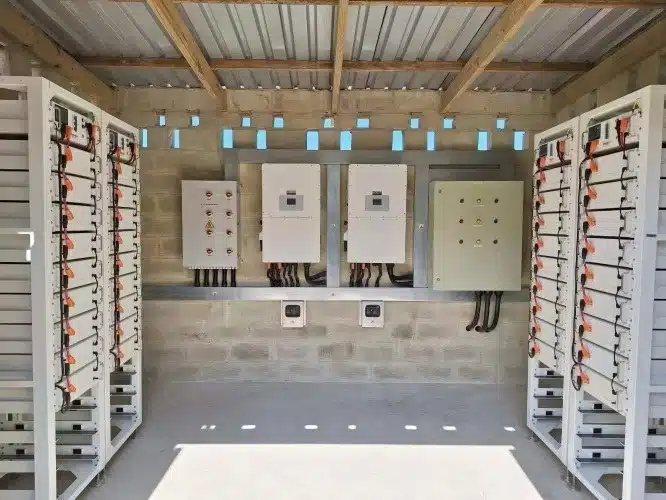
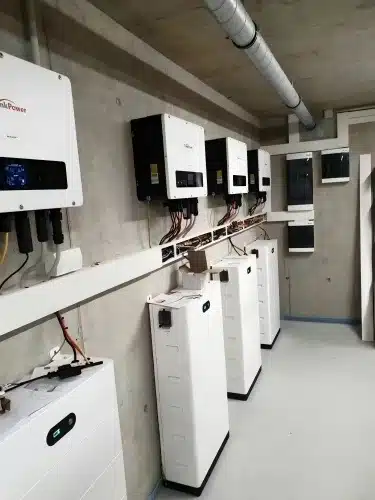
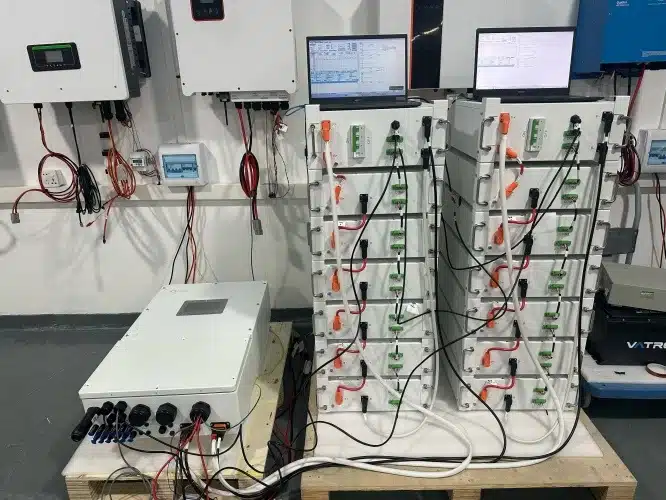
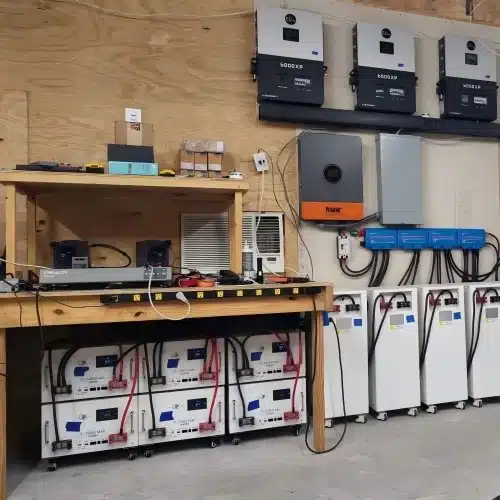
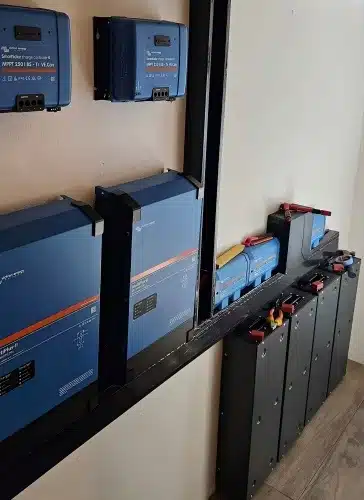
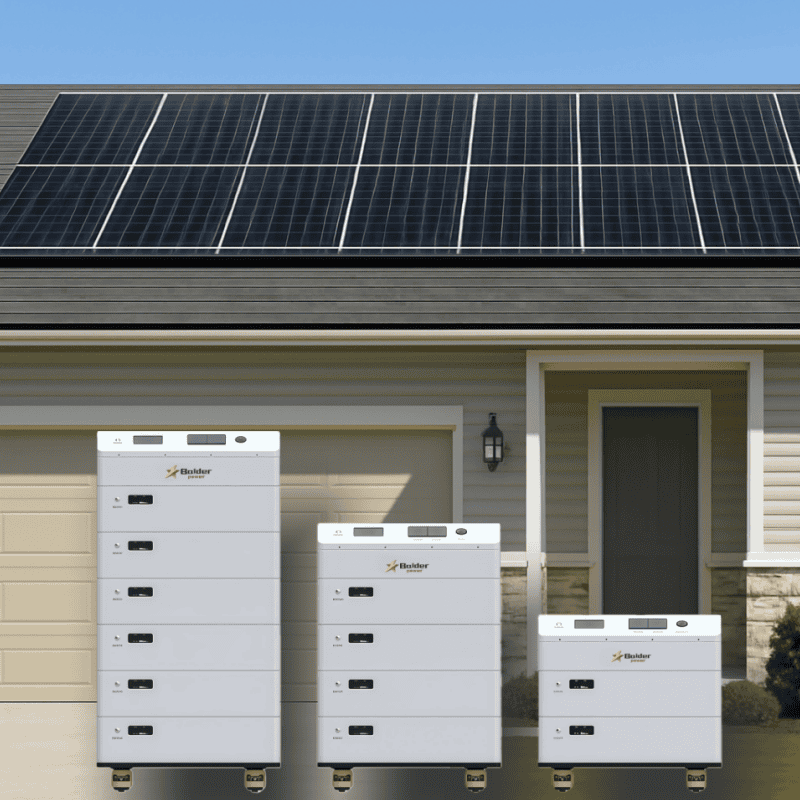
As a leading Residential Energy Storage Battery manufacturer, Balder Power provides high-performance lithium battery solutions designed for modern home solar systems. Our batteries are engineered to maximize energy independence, allowing homeowners to store excess solar power for use during peak rates or grid outages.
Contact us today for OEM/ODM services and bulk pricing on home battery backup systems.
Transform Energy Generation with Lithium Batteries
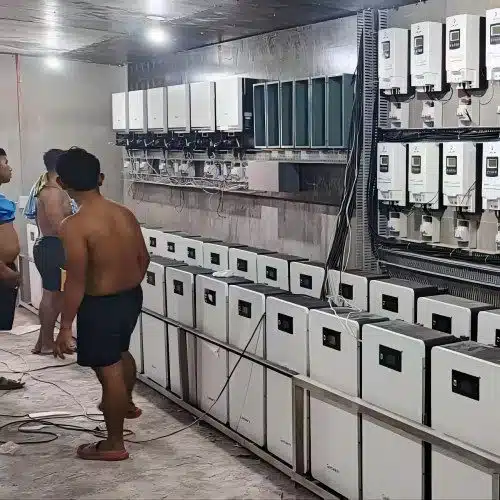
As a leading manufacturer and supplier of lithium batteries, Balder Power has been pioneering the shift towards renewable energy. Over the years, we’ve provided high-performance, cost-effective solar lithium battery solutions for both residential and commercial energy storage needs.
-
Wall Mounted Solar Home LiFePO4 Battery Backup
-
Server Rack LiFePO4 ESS Battery
-
Low Voltage Stackable LiFePO4 Battery
-
High Voltage Stackable ESS (LiFePO4)
-
All-In-One ESS Battery
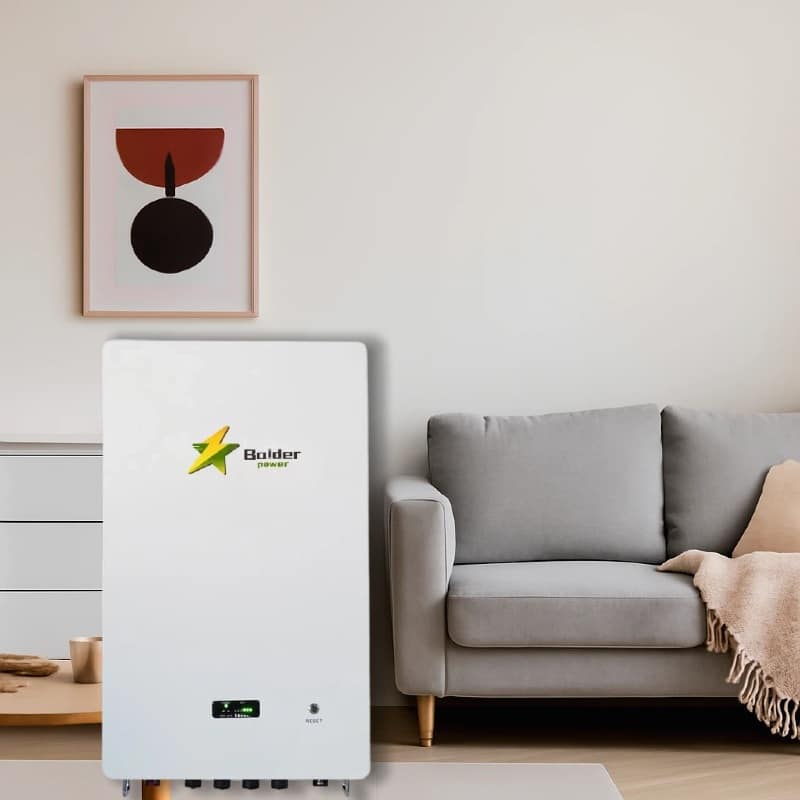
Balder Power Wall Mounted LiFePO4 Battery delivers high-efficiency energy storage for residential and commercial applications. Built with Grade-A prismatic cells, it ensures 6,000+ cycles at 80% DOD and a 10-year lifespan.
Designed for easy wall installation and modular scalability, each 5 kWh unit supports parallel expansion up to 76.5 kWh. Fully compatible with leading inverter brands, it’s an ideal solution for solar ESS integrators, installers, and distributors seeking reliable, compact power storage.
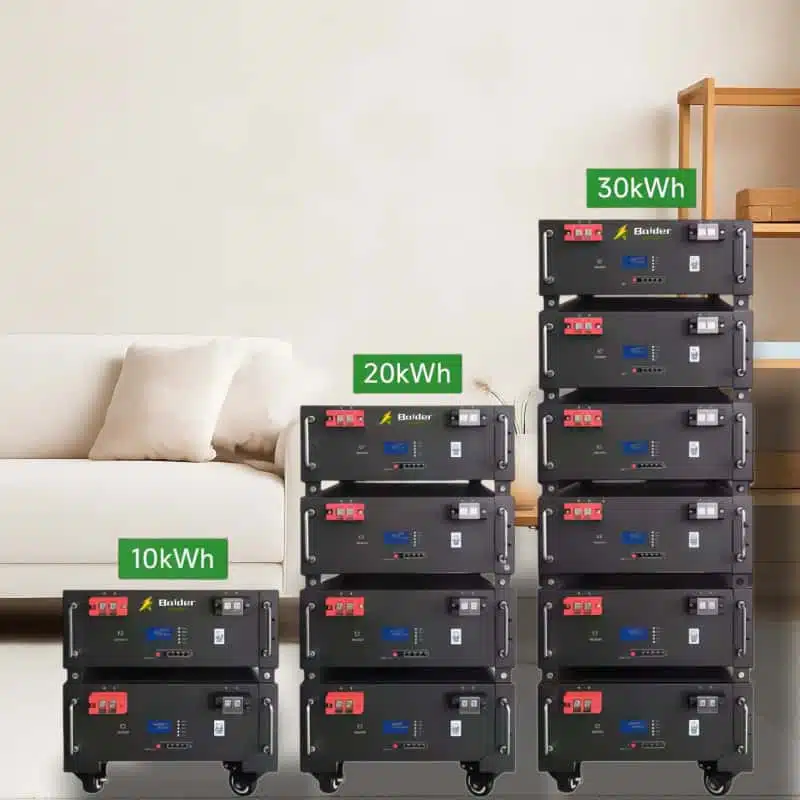
Balder Power Server Rack LiFePO4 ESS Battery is a flexible and scalable energy storage solution, designed for easy installation with either cabinets or brackets. It supports high current discharge, is compatible with solar inverters, and offers an intelligent BMS for optimal performance. With up to 6000 charge cycles, it ensures long-lasting reliability and safety. Communication options like CAN, RS485, RS232, Bluetooth, and an LCD display provide convenient monitoring. The LiFePO4 chemistry guarantees excellent safety, making it a perfect choice for hybrid solar systems and large-scale energy storage.
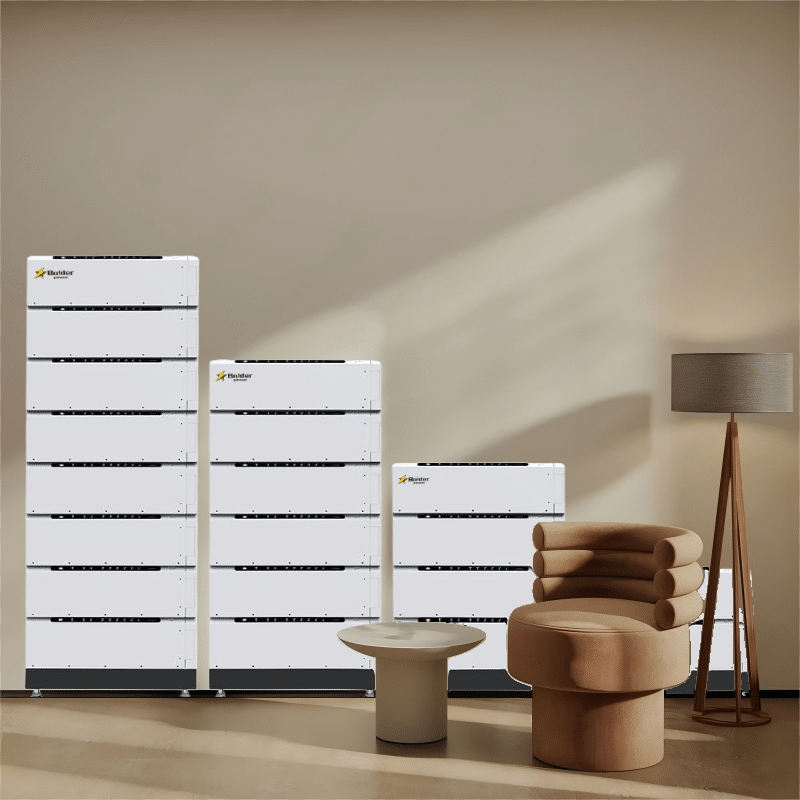
Balder Power Stackable LiFePO4 Battery offers high energy density, reliable performance, and modular flexibility for residential, commercial, and industrial use.
Compatible with major inverter brands like SMA, Victron, Growatt, Deye, and Pylontech, it supports up to 30 units in parallel for capacities up to 150kWh.
Available in wall-mounted, rack-mounted, or stackable installations, it includes Bluetooth monitoring, DC protection, and a 5-year warranty, making it perfect for solar, RV, marine, and off-grid systems.
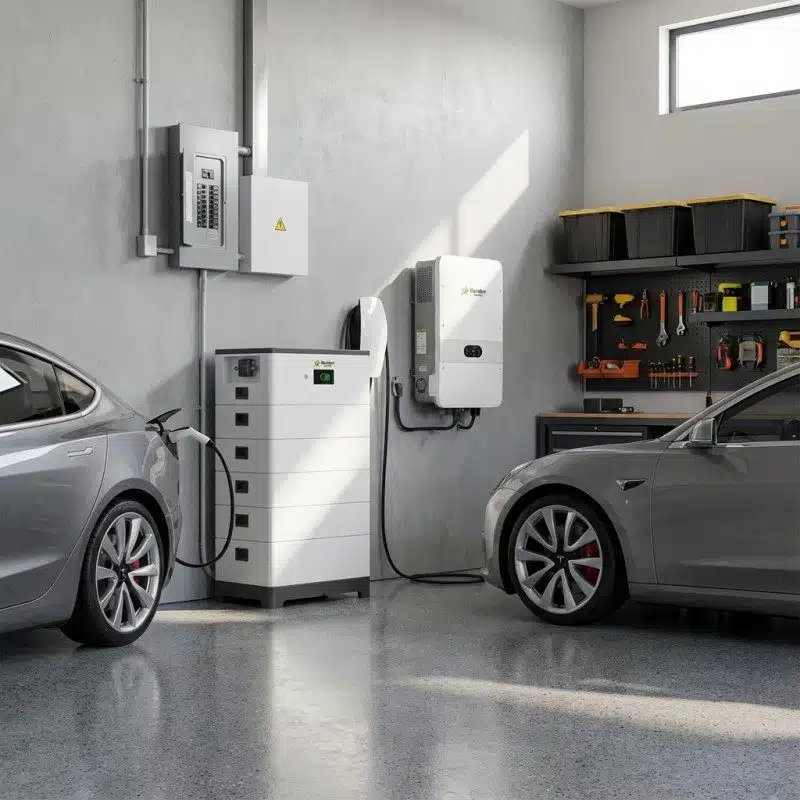
Efficiency Redefined. Modular by Design.
BalderPower’s High Voltage (HV) Stackable ESS offers superior energy conversion with minimal loss. Built with A-grade LiFePO4 cells and an intelligent Smart BMS, this system supports flexible scaling from from 10kWh to 200kWh+. Its plug-and-play architecture and international certifications (CE, UN38.3) provide our partners with a safe, high-density, and long-life storage solution for modern energy demands.
The All-In-One ESS (Energy Storage System) from Balder Power is the ultimate solution for homes and businesses seeking efficient, integrated energy storage. Combining a high-capacity battery, inverter, and battery management system in one compact unit, it provides seamless power storage, optimized energy management, and reliable backup during power outages. Designed to work with solar power systems, this all-in-one solution allows you to store excess energy generated during the day and use it when needed, helping you reduce reliance on the grid. With various sizes available, the All-In-One ESS is perfect for both small and large-scale energy needs, offering a sustainable, cost-effective, and easy-to-install solution for energy independence.

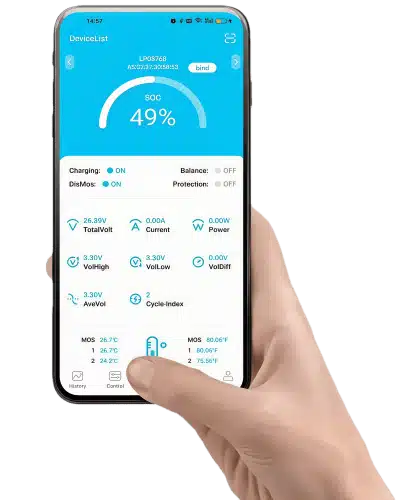
APP Monitor
- Remote Data Monitoring
- Intelligent Management
- One-click Upgrade
Unmatched Performance and Reliability with Balder Power
Long Battery Lifespan
Our batteries last up to 10,000 cycles, offering 5 times longer life than traditional lead-acid batteries, reducing the need for frequent replacements.
Reliable Performance in All Conditions
Engineered to work efficiently in both hot and cold climates, our batteries ensure consistent power in all weather conditions.
High Energy Efficiency
With higher energy density, our batteries store more energy in a compact size, helping you save on electricity bills and rely less on the grid.
Fast Charging and Discharging
High-rate charging and discharging capabilities ensure minimal downtime and robust support for high-demand peak loads.
Scalable Solutions
Our modular systems are easy to expand, allowing you to increase energy storage as your needs grow.
Quality Assurance
Every battery undergoes strict quality control to ensure it meets the highest standards of reliability and performance.
Advanced Smart BMS
Our Smart Battery Management System (BMS) ensures real-time monitoring and protection, optimizing efficiency and enhancing safety.
Eco-Friendly and Sustainable
We use recyclable materials and sustainable manufacturing practices to minimize our environmental impact.
Precision Engineering: Our Energy Storage Battery Manufacturing Process
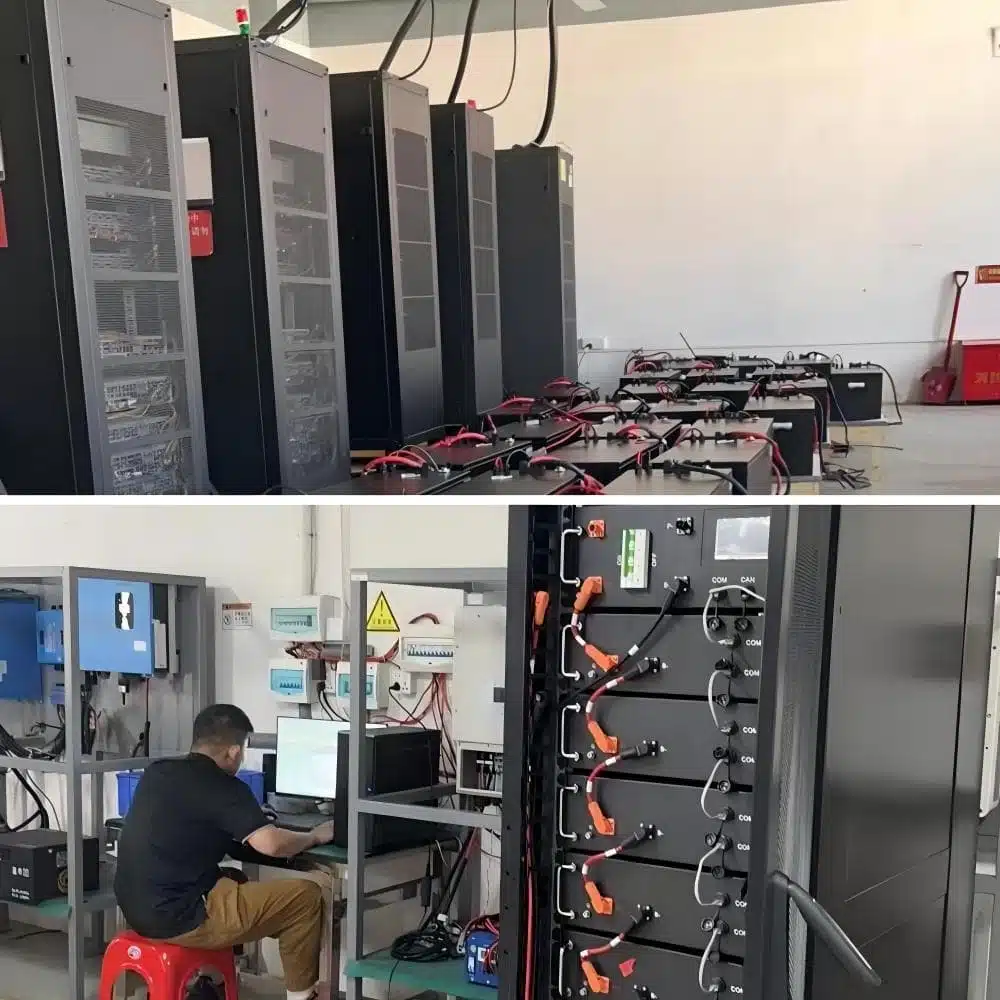
Quality is not just inspected; it is manufactured at every step. At Balder Power, we implement a rigorous LifePO4 production protocols that goes beyond industry standards. From automotive-grade cell sorting to 100% full-cycle aging tests, our transparent manufacturing process ensures every Energy Storage System (ESS) delivers maximum safety and longevity for your projects.
Custom Engineering & ODM Design
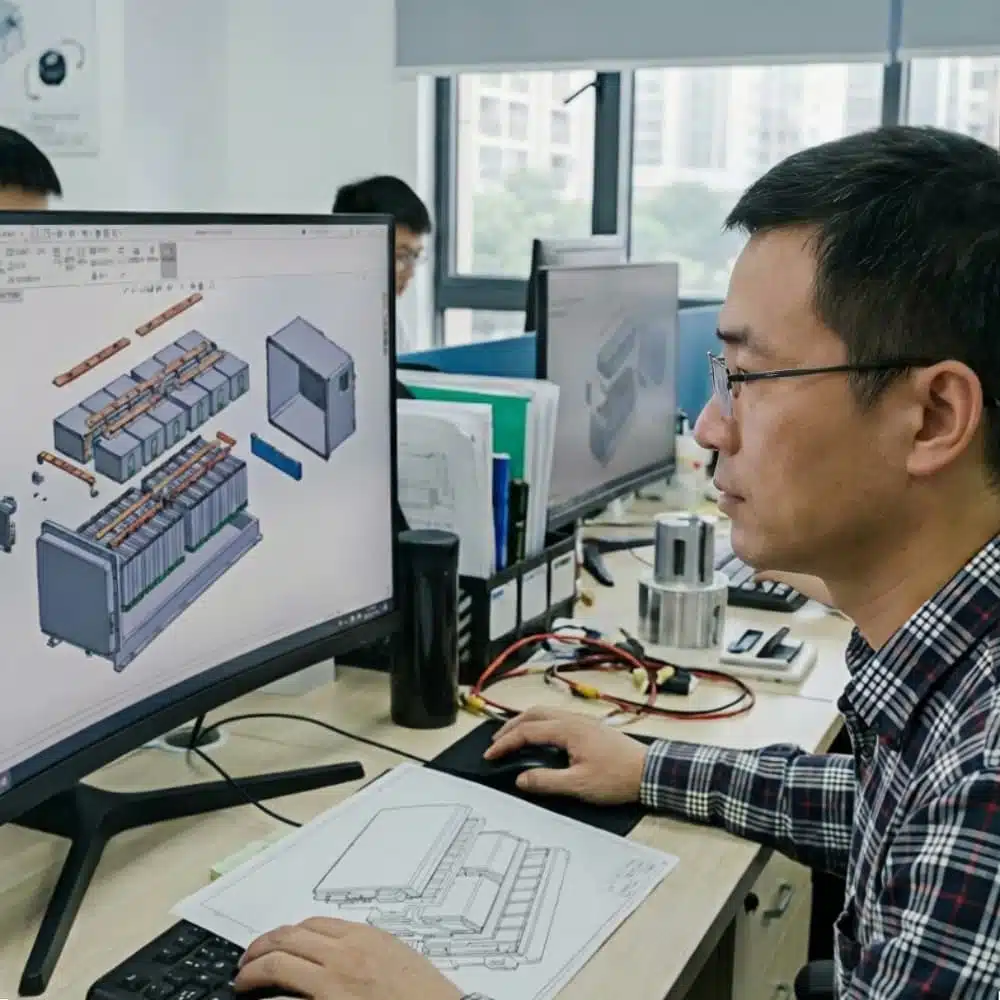
Our Wuhan engineering team translates your voltage and capacity requirements into precise CAD blueprints. We simulate structure and thermal management to ensure the battery pack fits your application perfectly before production begins.
Premium A-Grade Cell Sourcing
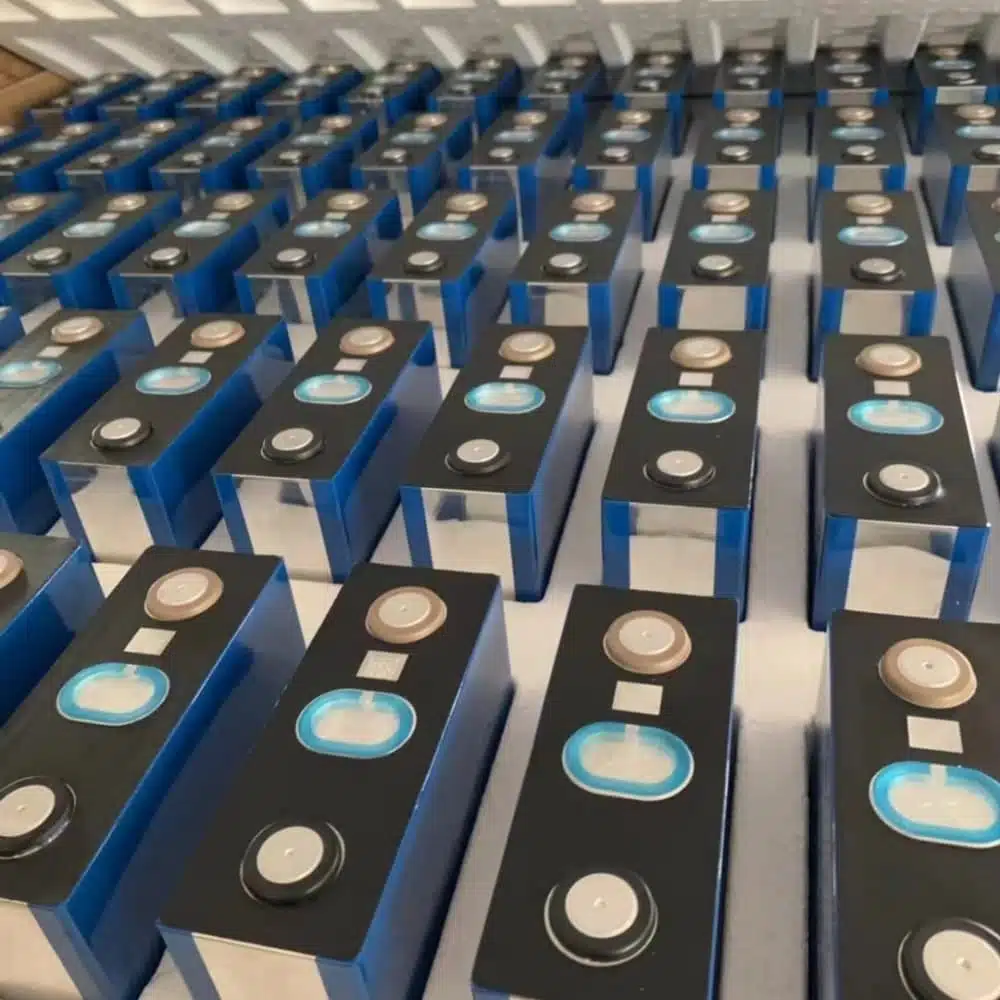
Quality starts at the core. We strictly select brand-new, A-grade LiFePO4 or NCM cells from Tier-1 manufacturers (like CATL, EVE, Ganfeng). We match cells specifically for your project's energy density and cycle life needs.
Precision Capacity & IR Sorting
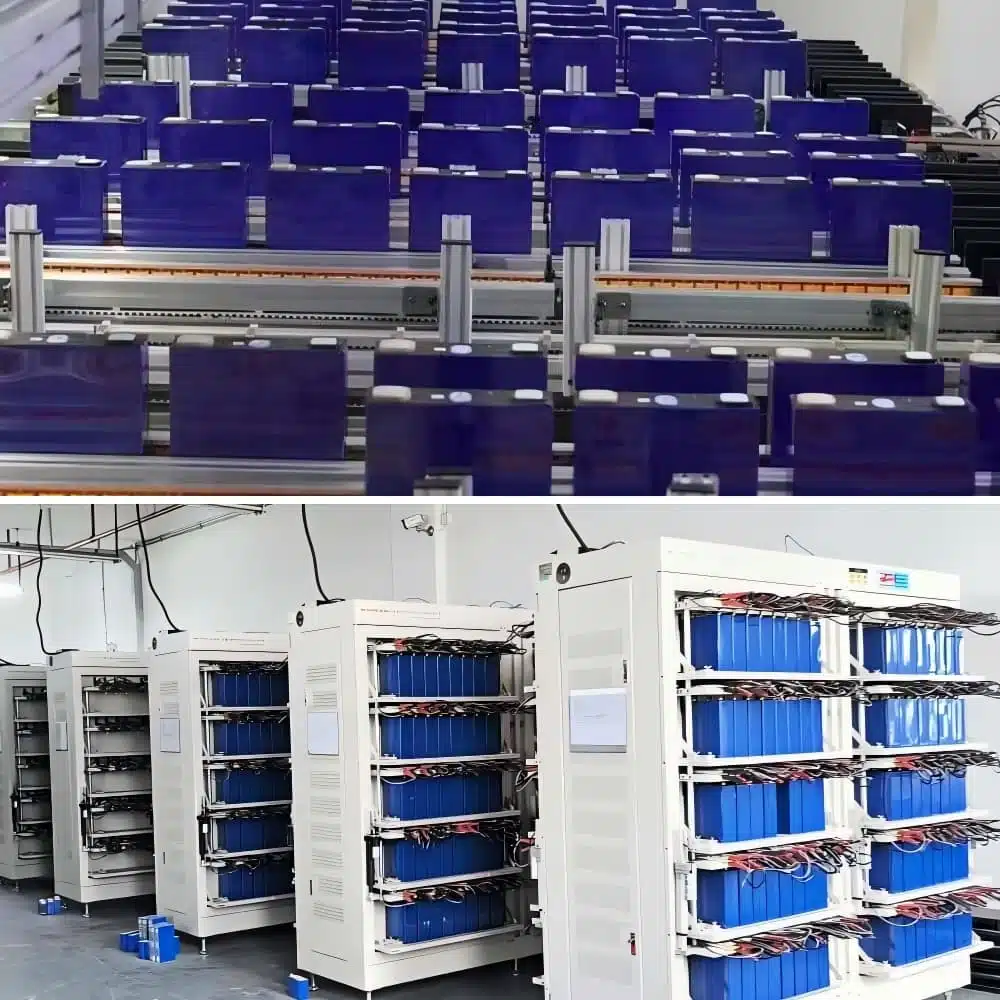
To guarantee pack longevity, consistency is key. We utilize automated sorting machines to group cells with identical Internal Resistance (IR) and Voltage. This strictly eliminates the "barrel effect," ensuring the entire pack performs at peak efficiency.
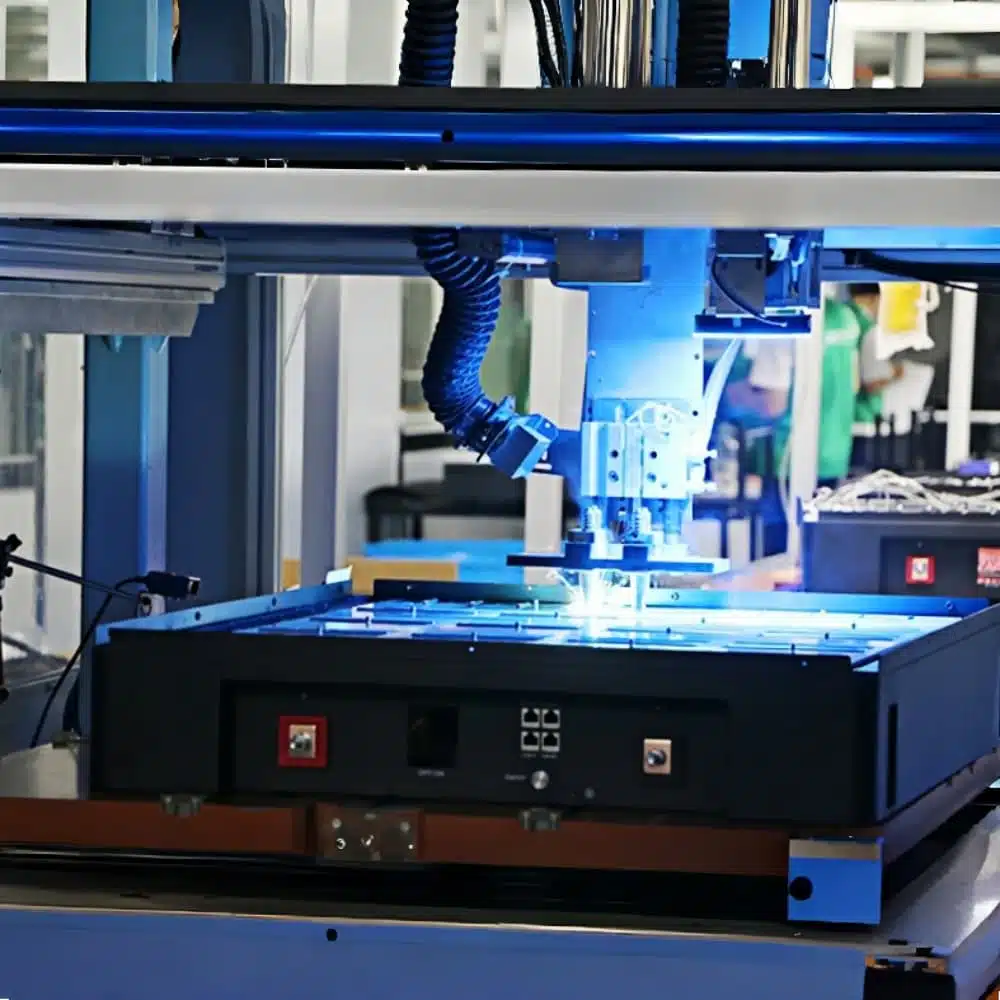
Automated Matrix Spot Welding
Our robotic welding arms execute high-precision spot welding using pure copper strips. This process ensures low-impedance connections and structural rigidity, preventing vibration damage during transportation or mobile usage.
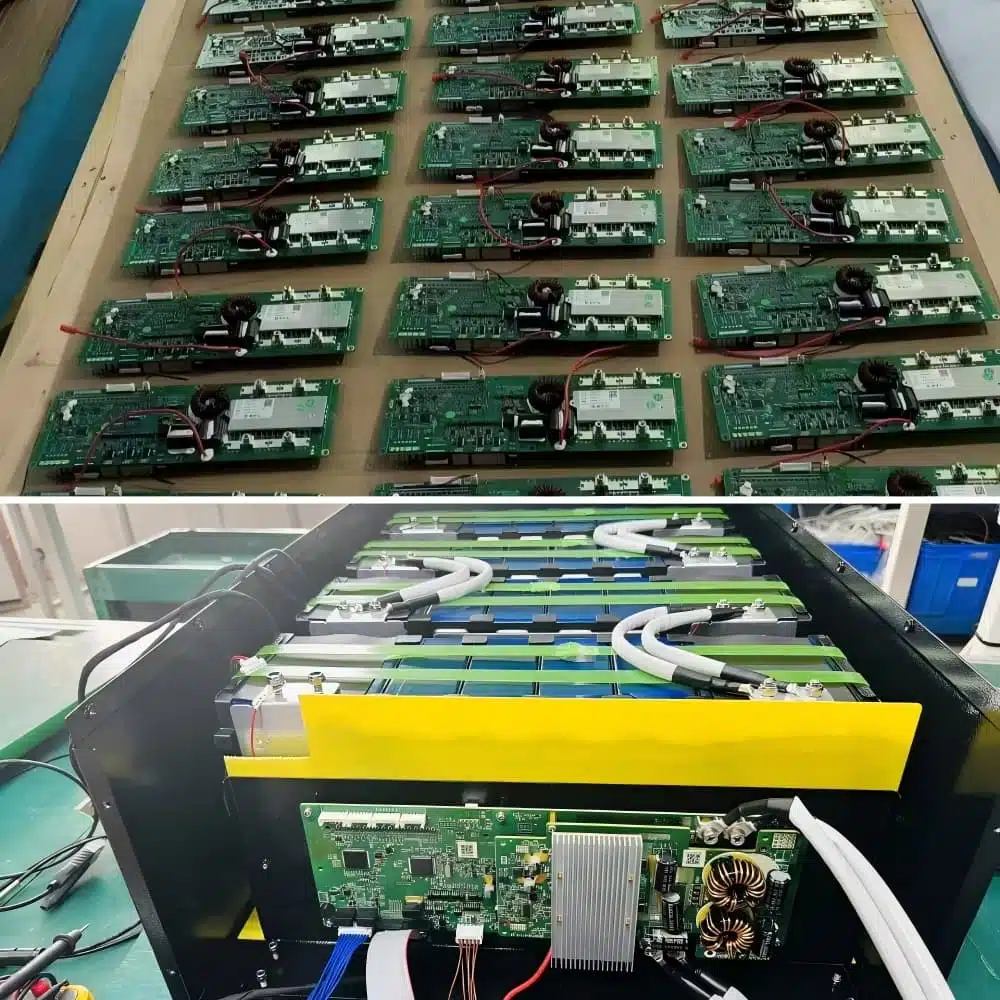
Smart BMS Integration & Wiring
The "Brain" of the battery is installed. We integrate advanced Battery Management Systems (BMS) with communication protocols (CAN/RS485). Technicians organize signal wires neatly to prevent short circuits and ensure accurate thermal monitoring.
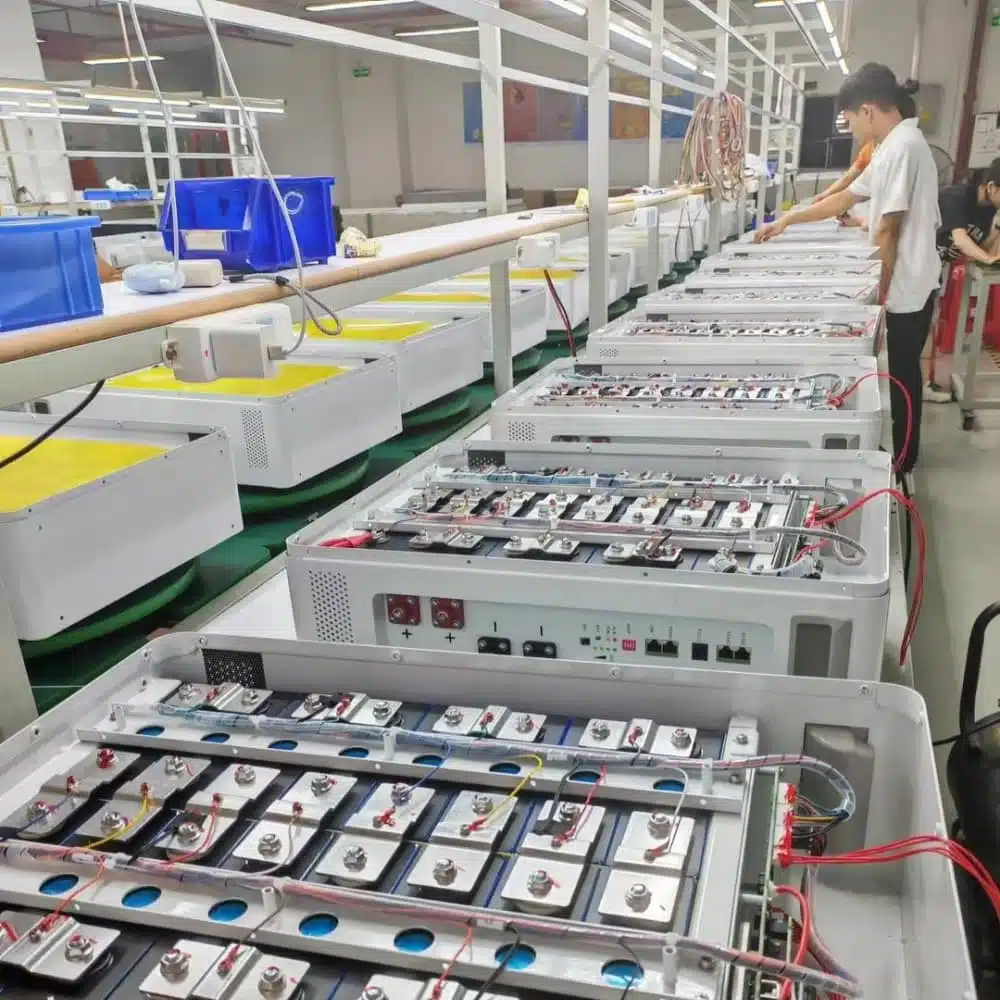
Structural Assembly & Insulation
Before closing the case, we apply industrial-grade insulation and shock-absorbing materials. The semi-finished packs are inspected for layout integrity to meet IP protection ratings for dust and moisture resistance.
100% Aging Cycle Test & OQC
Zero tolerance for early failures. Every finished battery undergoes a rigorous aging test (Charge/Discharge cycles) to simulate real-world stress. Final OQC includes voltage checks, BMS communication tests, and visual inspection.
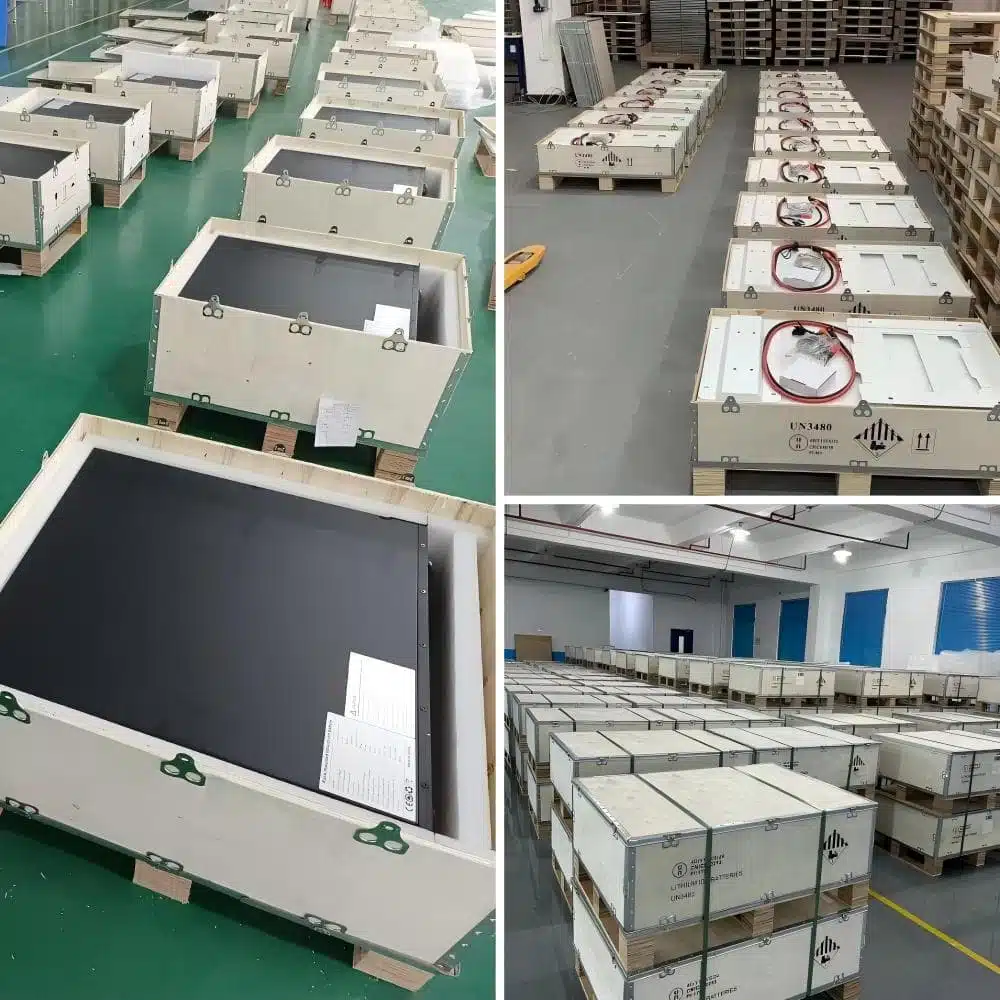
UN38.3 Compliant Safety Packaging
Safety extends to delivery. We use customized wooden crates and high-density foam that meet UN38.3 dangerous goods transport standards, ensuring your goods arrive safely via sea or air freight.
FAQs about Residential Home Energy Storage System Battery
A residential energy storage system is a technology that stores electricity for use at a later time, typically through a battery system. These systems are designed to work seamlessly with home electrical infrastructure, often using lithium-ion batteries or similar advanced technologies. They can integrate with renewable energy sources such as solar panels, enabling homeowners to store excess energy during peak production times (e.g., midday) and use it when the sun isn't shining, or during grid outages. These systems provide backup power, reliability, and energy cost savings.
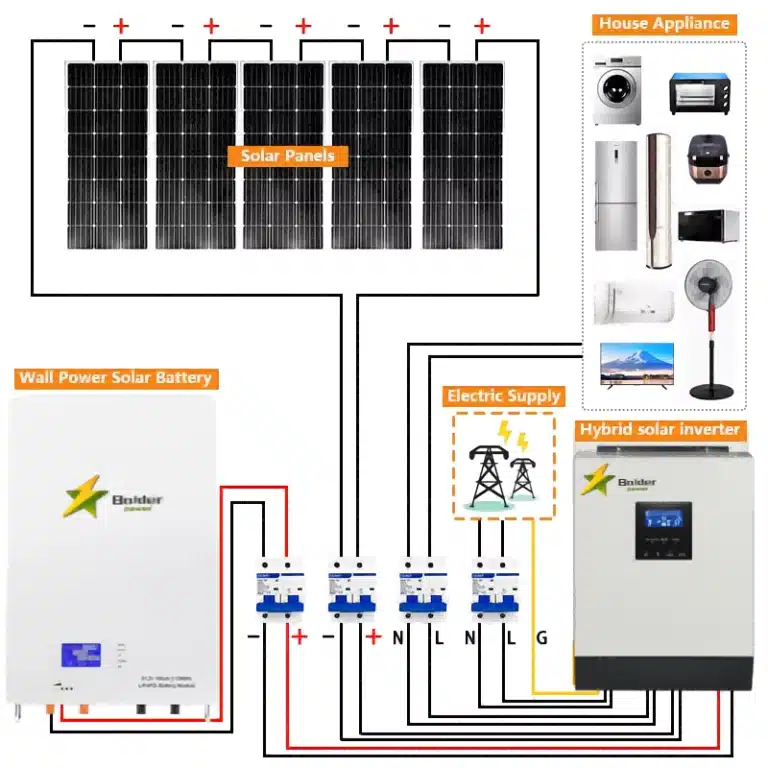
The system works by storing electricity generated from renewable sources like solar panels or wind turbines. Here’s how it works in steps:
Energy Collection: Solar panels collect sunlight and generate DC electricity.
Conversion to AC: An inverter converts DC electricity to AC electricity, which is used by household appliances.
Storing the Energy: Excess energy is stored in batteries after conversion and is kept for later use.
Discharge the Battery: When needed, the energy stored in the battery is converted back from DC to AC to supply electricity to the home.
This allows homeowners to use their stored energy even when the solar panels are not producing electricity, such as during nighttime or cloudy days.
Residential energy storage systems primarily rely on batteries for energy storage. The most common types include:
Lead-Acid Batteries
Pros: Affordable and proven over time.
Cons: Shorter lifespan and lower energy density compared to modern options.
Lithium-Ion Batteries
Pros: Higher energy density, long lifespan, and quick charging. Most commonly used for residential storage.
Cons: More expensive upfront costs, though prices are dropping.
Flow Batteries
Pros: Can be scaled easily and have long lifespans.
Cons: Lower energy density and more complex compared to lithium-ion batteries.
The cost of a residential energy storage system varies based on several factors:
System Size and Capacity: Larger systems with more storage capacity generally cost more. Typical systems range from 4kWh to 15kWh.
Battery Type: Lithium-ion batteries tend to be pricier, though they offer better performance and longer lifespans compared to lead-acid batteries.
Additional Components: The system also requires an inverter, control systems, and installation hardware.
Installation Costs: These can vary depending on complexity and location, including electrical upgrades or additional components needed.
The lifespan of a home battery backup depends on its capacity and the load it is designed to support. For example:
A 20kWh battery can power a 2000W air conditioner for about 10 hours.
A 5kWh battery can support a 500W refrigerator for around 10 hours.
On average, lithium-ion batteries last 10+ years, depending on usage patterns, while lead-acid batteries typically last around 3-5 years.
Installing a solar battery system for your home is generally straightforward, with several options for setup:
Floor-Mounted Systems: These systems can be placed anywhere in the house and don’t require fixed installation.
Wall-Mounted Systems: Can be installed on any wall using a cross-shaped bracket for secure attachment.
Rack-Mounted Systems: These space-saving systems can be installed indoors, with batteries stacked layer by layer.
Stackable Lithium Batteries: Some systems support stacking, which allows for scalability to meet increasing power demands.
Home backup battery systems offer reliable, uninterrupted power and are environmentally friendly, with no emissions. They allow you to store electricity during off-peak hours and use it during peak times, reducing your electricity bills. If you live in an area with unreliable grid power or no grid connection at all, investing in a home battery backup system can ensure you have consistent power.
When choosing a solar battery for your home, consider the following:
Battery Capacity: Look at the capacity, typically measured in Ah (Amp-hours) or kWh (kilowatt-hours). Depending on your needs, you may need a larger capacity.
Lifespan and Warranty: Batteries have different lifespans and warranties. Lithium-ion batteries offer long lifespans (up to 10+ years) and come with extended warranties, while lead-acid batteries have shorter lifespans and warranties.
Charging Time and Method: Consider how long it takes to charge the battery and whether it can be charged using solar panels, the main grid, or both.
Cost: Lithium-ion batteries are more expensive than lead-acid options but provide better quality, longer life, and higher energy density.
Power Reliability: Provides backup during grid outages, ensuring continued power supply for appliances.
Cost Saving: Reduces electricity bills by using stored energy during peak hours, and charging during off-peak times.
Energy Independence: Reduces reliance on the grid, especially when combined with solar panels for generating and storing energy.
Peace of Mind: Ensures you have power during emergencies, avoiding the worry of power cuts or outages.